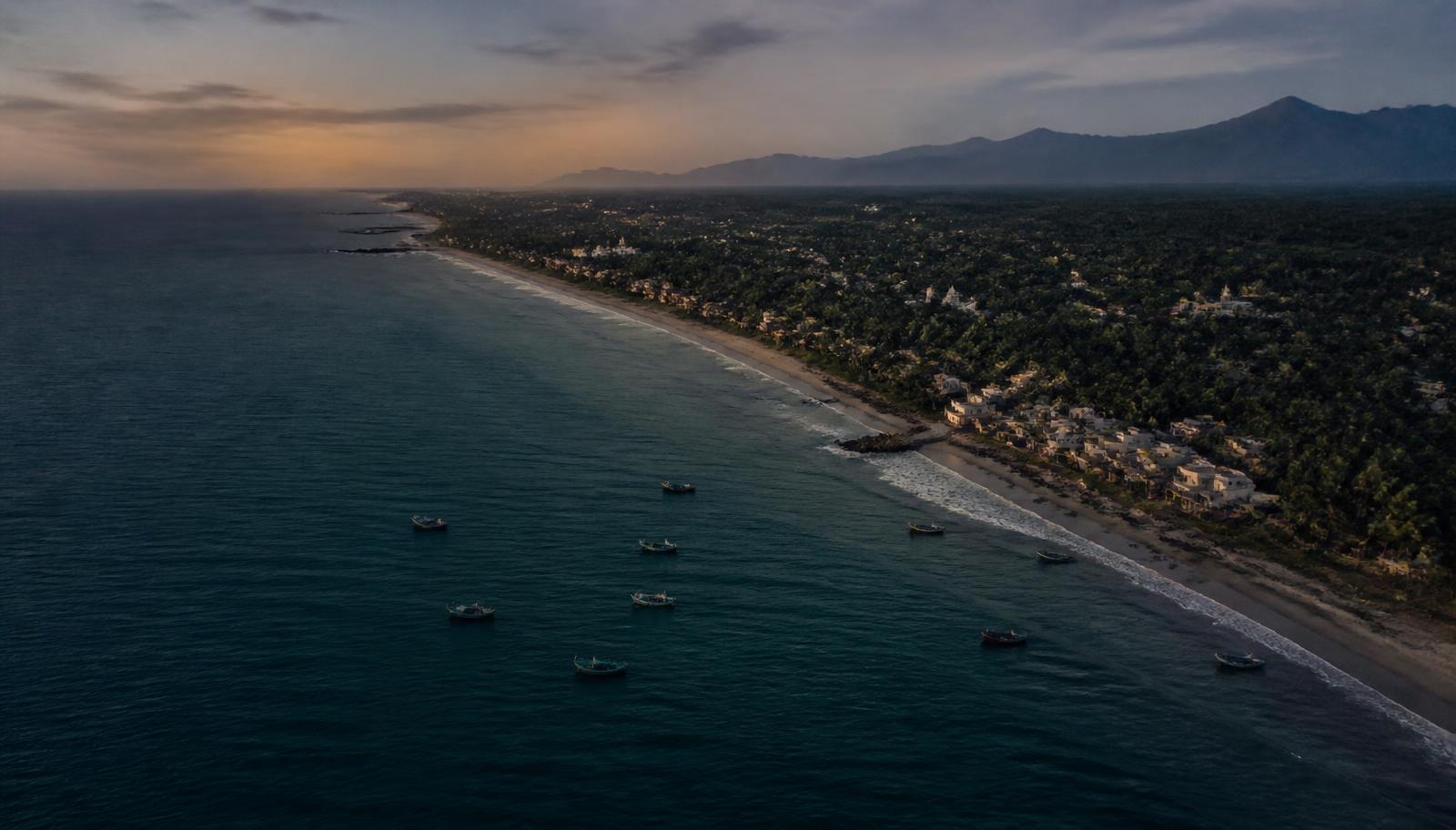
Production
Matured Seabass
Revenue contribution60%
Gross margin50%
- Cycle
- 1 batch / year
- Capacity
- Up to 1 ton / cage
- Target
- Restaurant chains & export
- Average price
- ₹600–₹850 / kg
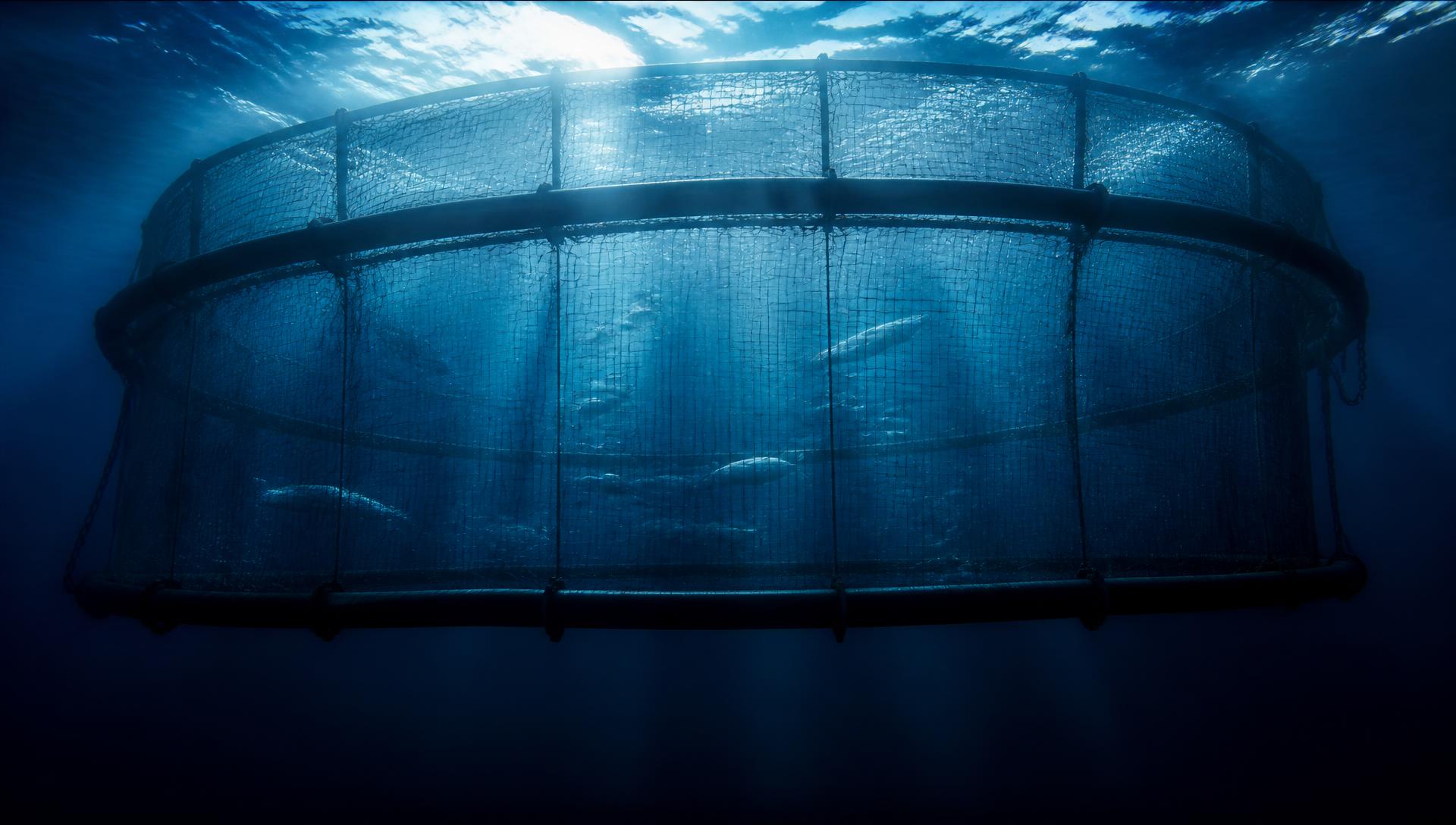
Marine Bio-Tech · Precision Monitoring
Technology-driven cage management for sustainable and scalable Asian Seabass farming.
Parameters shown represent the monitoring capabilities of the Marine Bio-Tech cage management system. They are illustrative, not live sensor readings.
Registered
Marine Bio-Tech · DIPP No: 158433
Participation
India–EU Business Forum, New Delhi
Based in
Puducherry, India
The Challenge
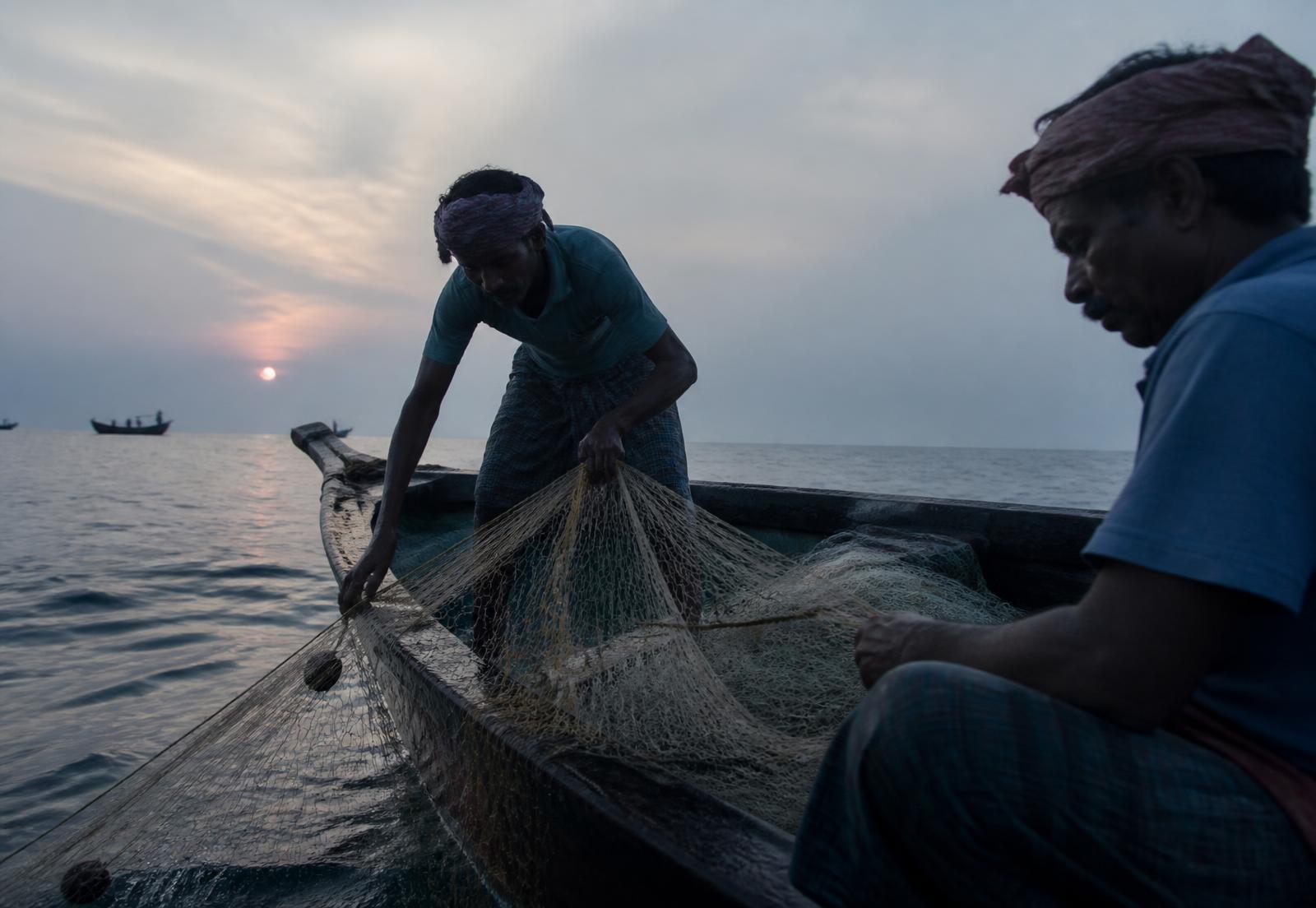
Asian Seabass supply through conventional marine practice remains unreliable. Fishermen travel further into high seas, while commercial cage culturing in India carries high risk against uncertain yield.
 01
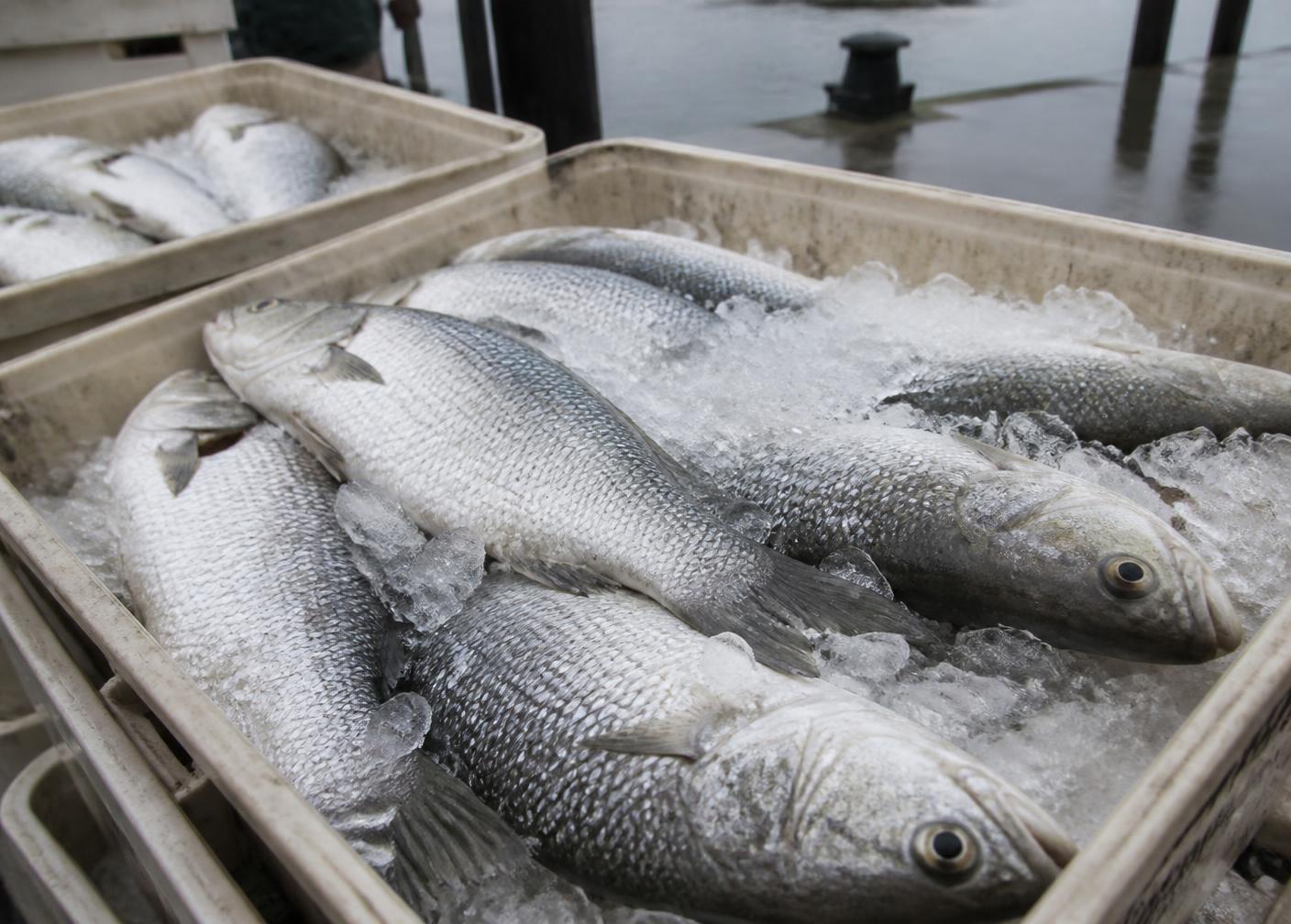
01High-value marine species face increasing pressure from overfishing, pushing fishermen further into distant high seas for an unreliable catch.
 02
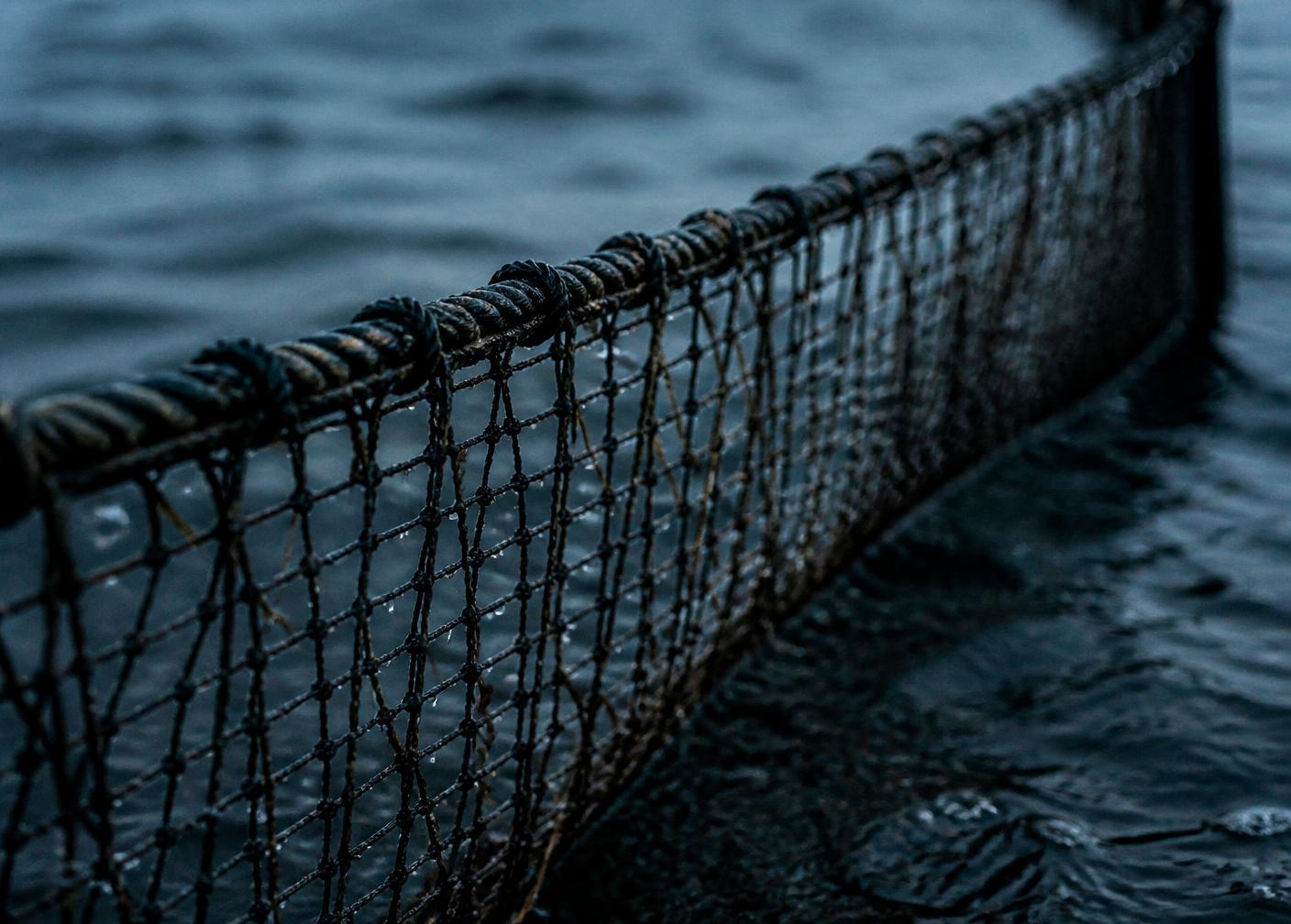
02Conventional commercial cage culturing in India can involve significant operational and environmental uncertainty — high risk against modest yield.
 03
03Important environmental conditions can change beneath the surface without continuous visibility, leaving decisions to be made after the fact.
Source statement: CMFRI reports that 69% of India's marine fish stocks are under pressure from unsustainable exploitation. This is a published sector observation attributed to CMFRI, not a Marine Bio-Tech claim.
Species Focus · Lates calcarifer
A commercially significant marine species with a demanding culture profile — precisely the combination where precision management creates value.
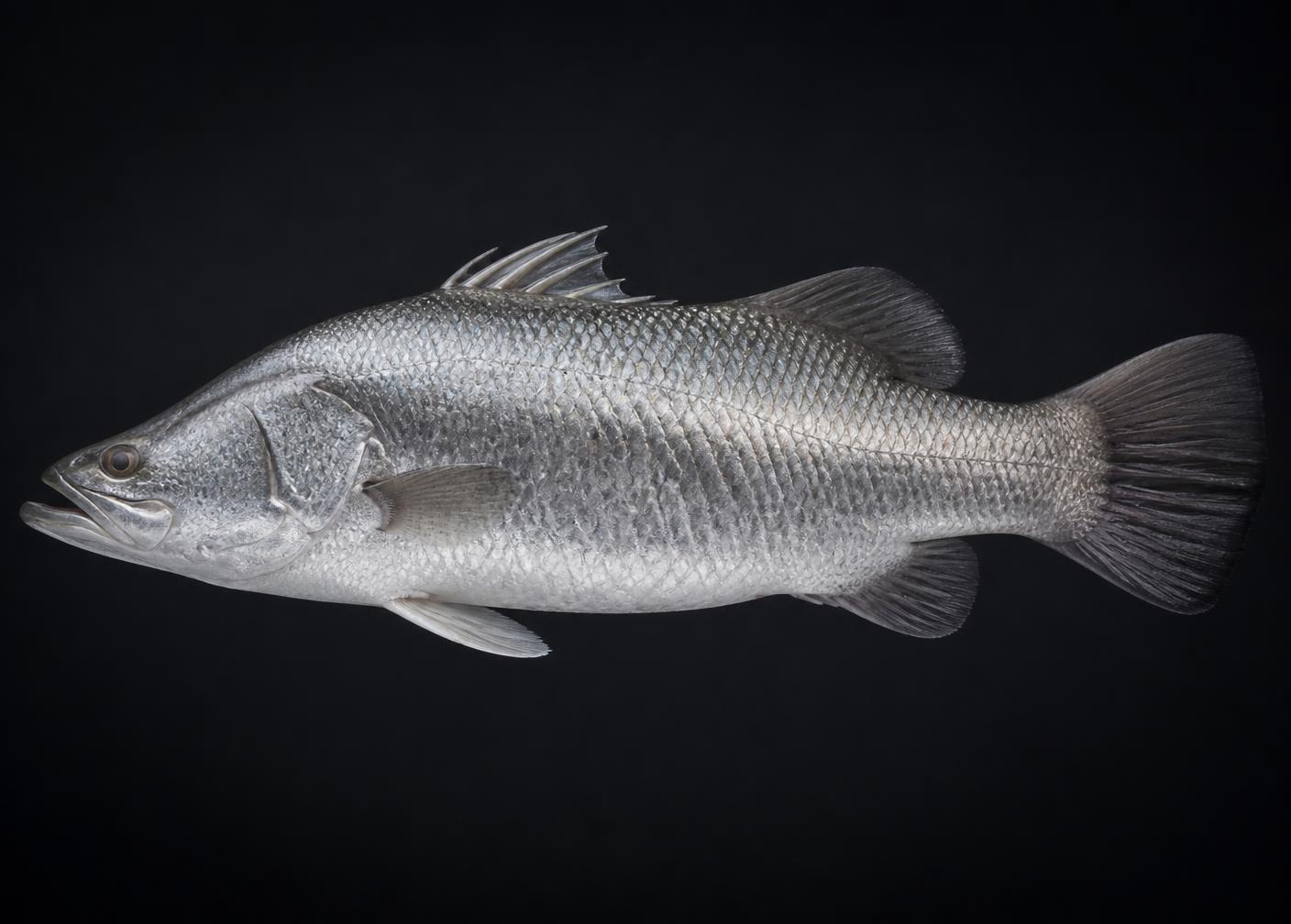
Lates calcarifer
Asian Seabass
Nutritional profile
High protein, low fat, and a source of Omega-3.
Carnivorous & cannibalistic
Requires grading and careful stocking discipline.
Challenging feeding behaviour
Feeding response demands attentive, consistent management.
Skilled-labour intensive
Traditionally dependent on experience and inherited knowledge.
Because Asian Seabass is carnivorous, feeding-sensitive and skilled-labour intensive, outcomes have historically depended on inherited knowledge alone. Marine Bio-Tech adds a continuous layer of environmental visibility to that expertise.
The Approach
Technology meets tradition. Marine Bio-Tech combines established aquaculture knowledge with technology-driven monitoring and management — technology extends the cultivator's judgement, it does not replace it.
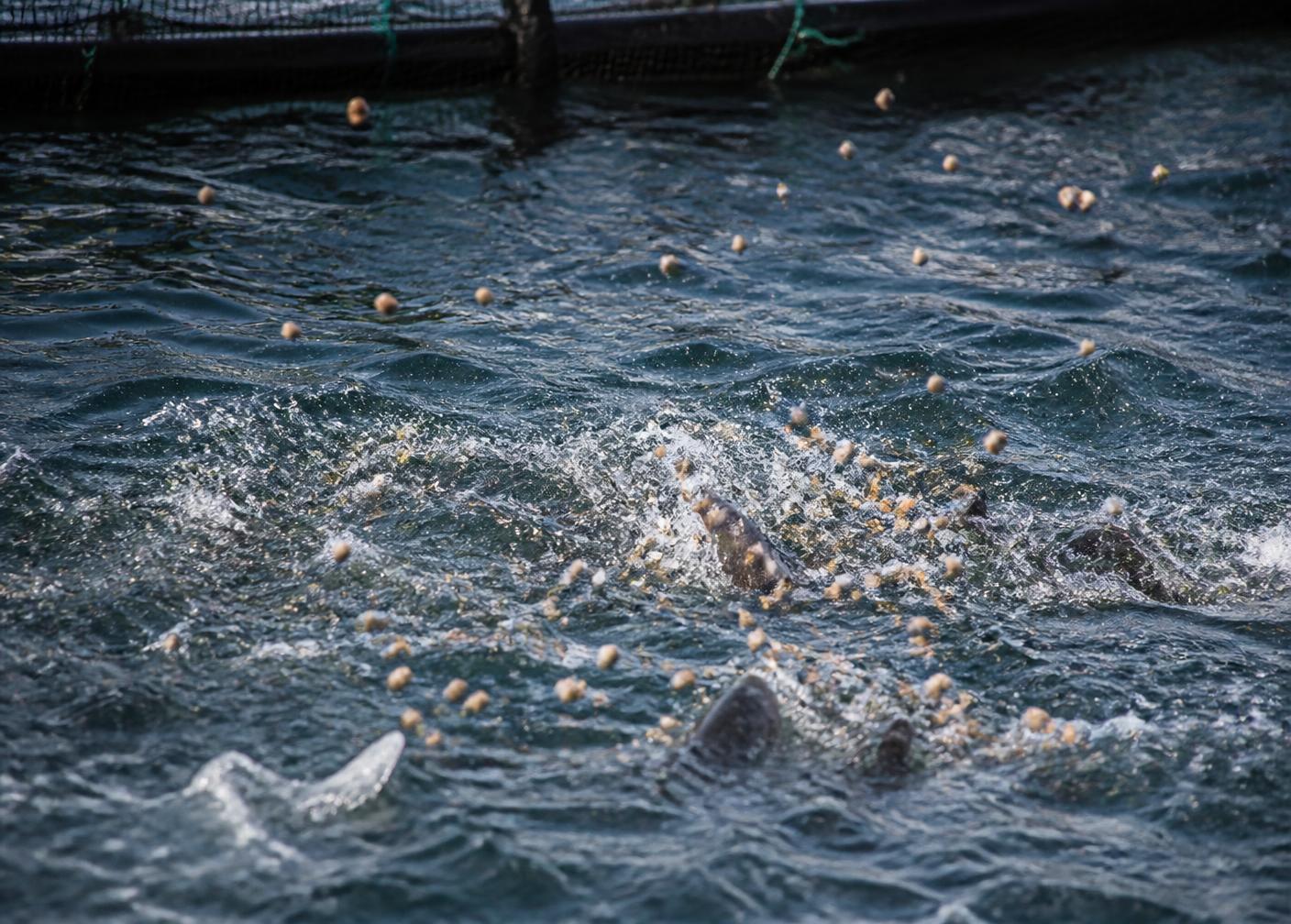 Feeding event
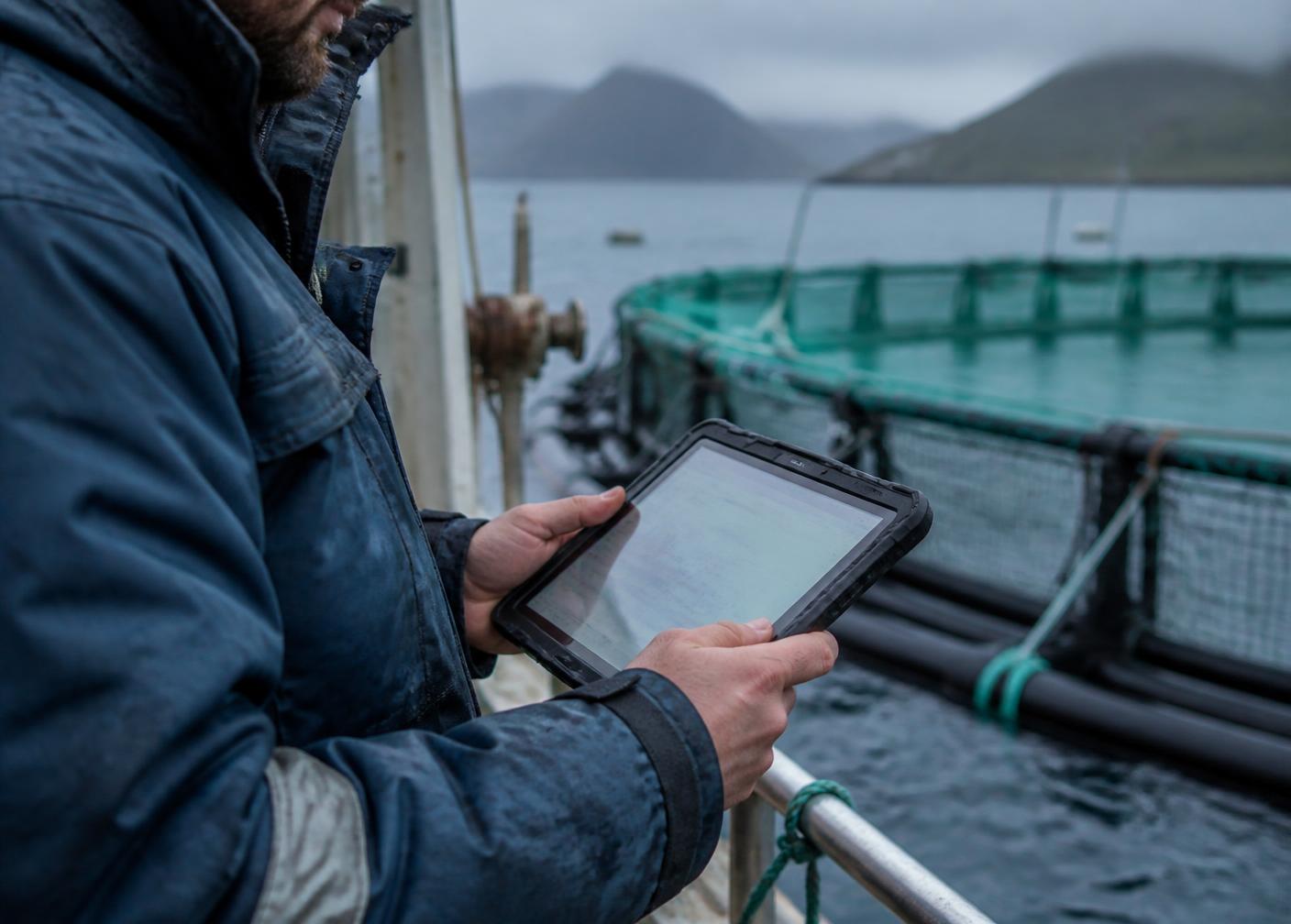 Decision support
Cultivators keep the final call. What changes is the quality of the information behind it — continuous readings instead of periodic guesswork.
Cage
The farming unit
Sensors
Environmental capture
Data
Structured records
AI
Pattern analysis
Insights
Decision support
Action
Cultivator response
Farm Management
Improved cycle control
A continuous loop, not a one-time reading.
Technology Ecosystem
A precision technology ecosystem designed for smarter cage management.
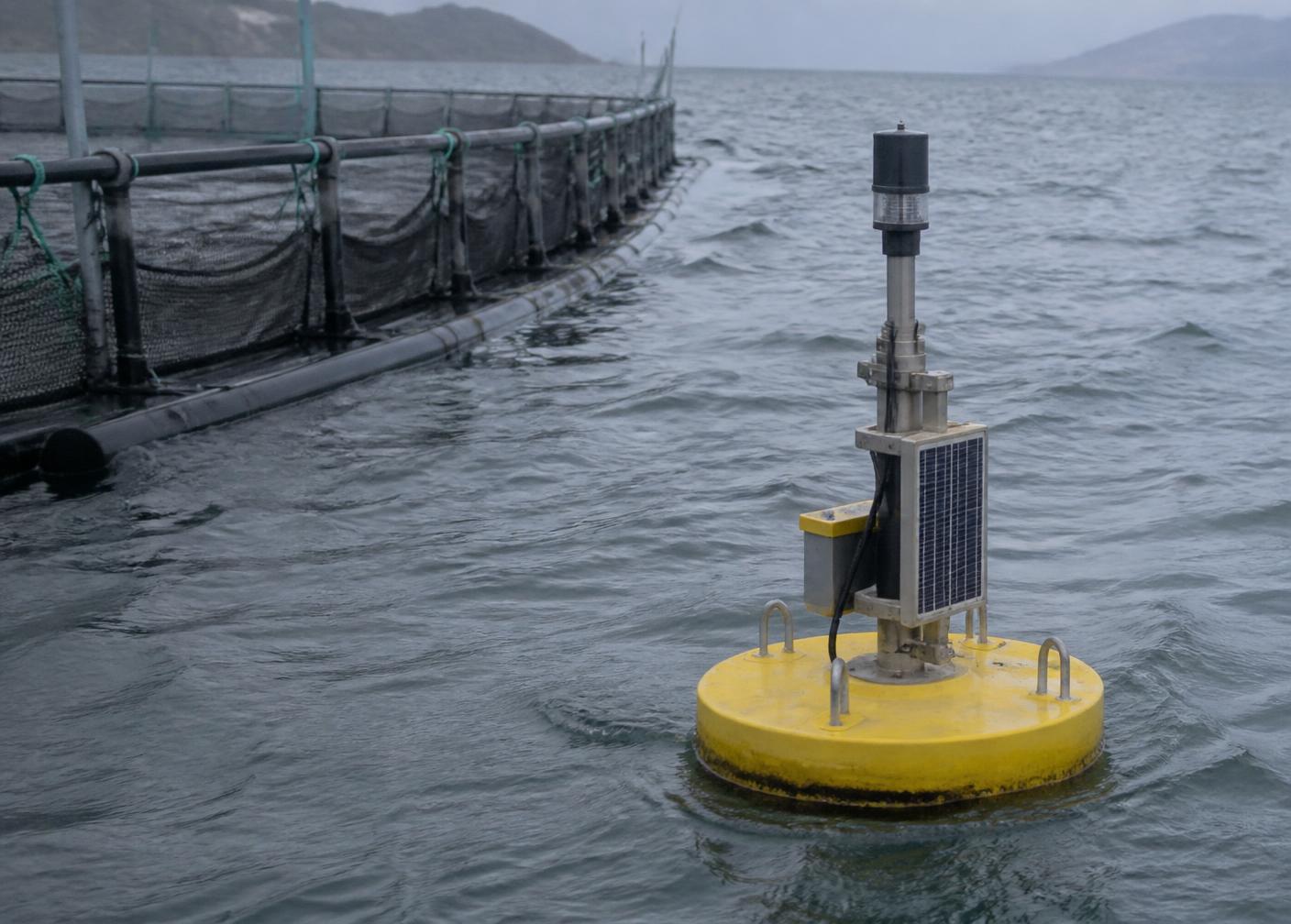 Field hardware
Module 01
Continuous observation of the parameters that govern cage health — designed to replace intermittent manual sampling with a consistent environmental picture.
Visualisations and parameter labels describe designed system capabilities. They are conceptual representations of the Marine Bio-Tech interface and do not display live or measured production data.
Solutions
Three connected business areas — technology for peer cultivators, matured stock for market, and fingerlings that strengthen the wider cultivation base.
01Technology leasing for peer cultivators — the precision monitoring and management stack deployed on their existing cages.
Target
Peer cultivators
02Direct supply of matured Asian Seabass to restaurant chains and export markets.
Target
Restaurant chains & export
 03
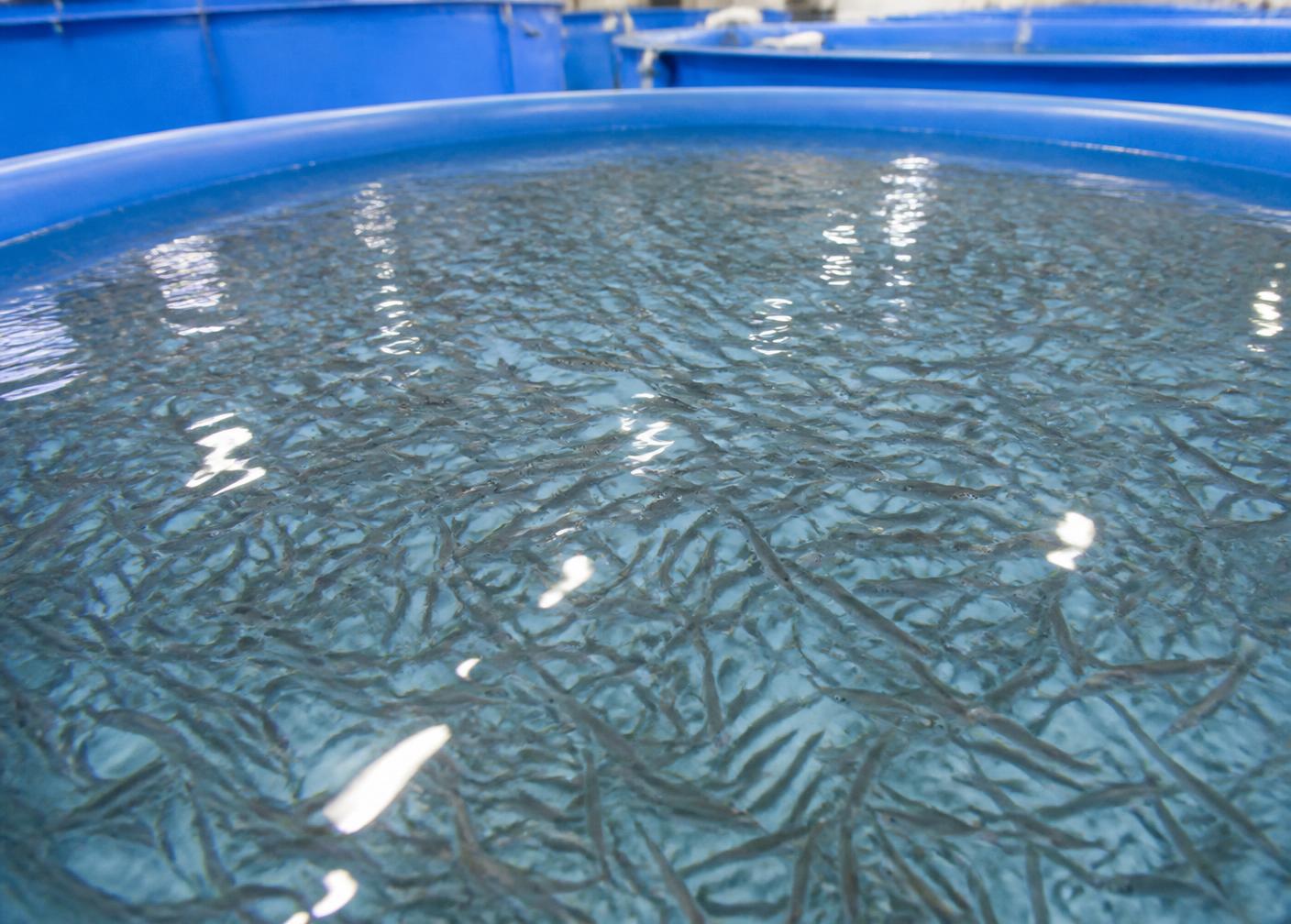
03Fingerling supply that strengthens the wider cultivation ecosystem around Marine Bio-Tech.
Target
Peer cultivators
Business Model
Production, technology and the cultivation ecosystem — each stream reinforces the others across the crop cycle.
Production
Technology
Cultivation ecosystem
Business model projections and figures from the current company deck. These are planning figures, not audited or independently verified financial results.
Sustainability
Sustainability in mariculture is an operational question before it is a marketing one. Better visibility beneath the surface leads to better decisions above it.

Monitoring dissolved oxygen, temperature, pH and salinity gives a running picture of the water the stock actually lives in.
Stocking, feeding and aeration decisions grounded in observed conditions rather than assumption.
Reliable farmed supply of Asian Seabass reduces dependence on distant high-seas capture.
A per-cage technology unit means the same discipline can extend from one cage to many, including cages operated by peer cultivators.
Philosophy
Aquaculture expertise remains at the heart of farming. Technology gives that expertise greater visibility, data and decision support.
Tradition
Precision Aquaculture
Technology
Vision
Marine Bio-Tech is building a technology-led approach to sustainable marine aquaculture, beginning with Asian Seabass and designed with scalability in mind.
Partnership
Explore opportunities to collaborate with Marine Bio-Tech in building a more precise, sustainable and scalable marine aquaculture ecosystem.