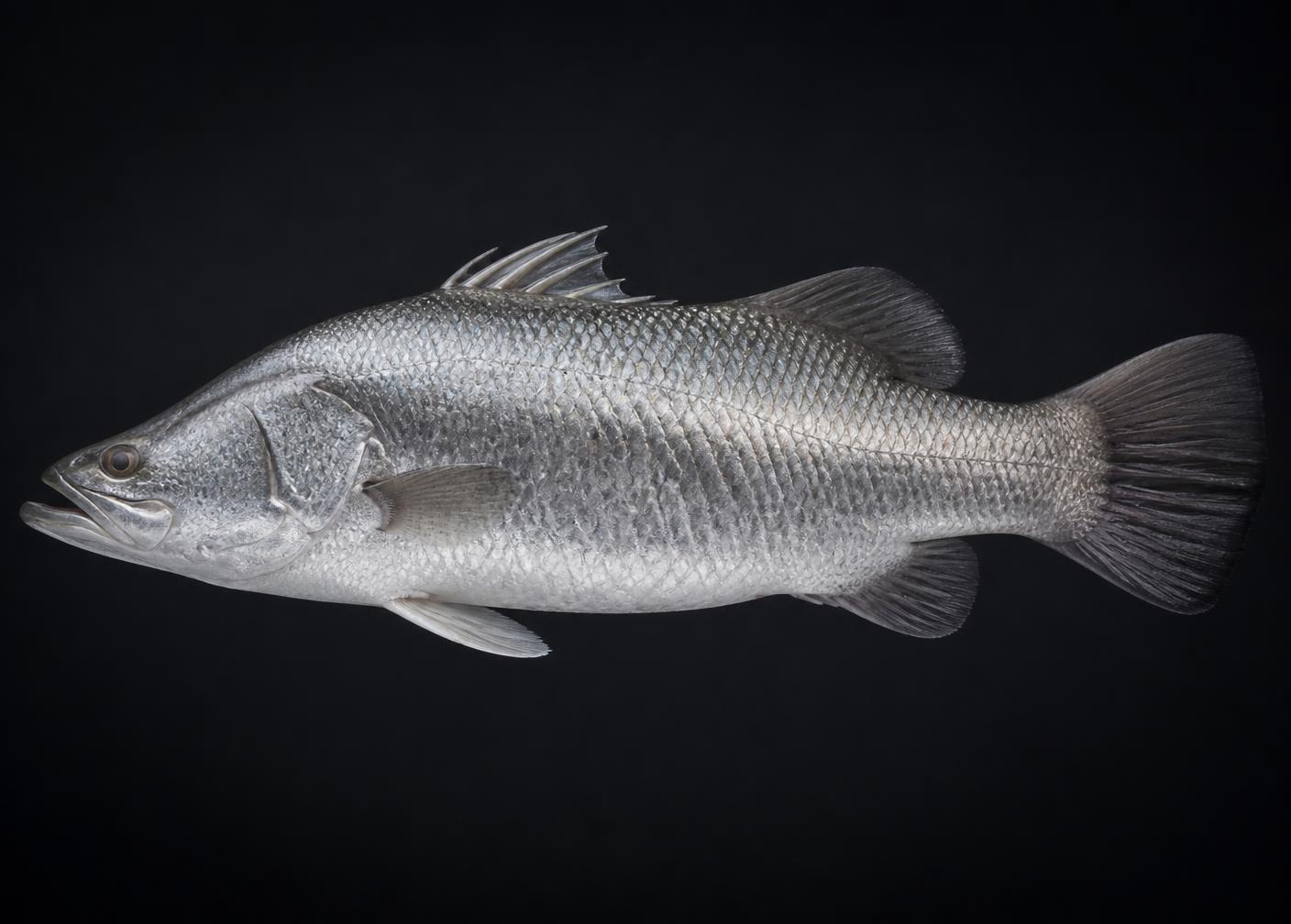
Species Focus
Asian Seabass
A commercially significant marine species whose culture demands attention — and rewards precision.
Species Focus · Lates calcarifer
Why Asian Seabass?
A commercially significant marine species with a demanding culture profile — precisely the combination where precision management creates value.
- Euryhaline
- Tolerates a wide salinity range, from brackish to marine waters.
- High-value species
- A premium table species with established commercial demand.
- Export potential
- Strong export interest alongside domestic restaurant demand.
- Culinary versatility
- Suits a broad range of cuisines and preparation formats.
Lates calcarifer
Asian Seabass
Nutritional profile
High protein, low fat, and a source of Omega-3.
Carnivorous & cannibalistic
Requires grading and careful stocking discipline.
Challenging feeding behaviour
Feeding response demands attentive, consistent management.
Skilled-labour intensive
Traditionally dependent on experience and inherited knowledge.
Because Asian Seabass is carnivorous, feeding-sensitive and skilled-labour intensive, outcomes have historically depended on inherited knowledge alone. Marine Bio-Tech adds a continuous layer of environmental visibility to that expertise.
The Challenge
The ocean has potential.
Traditional aquaculture has limits.
Asian Seabass supply through conventional marine practice remains unreliable. Fishermen travel further into high seas, while commercial cage culturing in India carries high risk against uncertain yield.
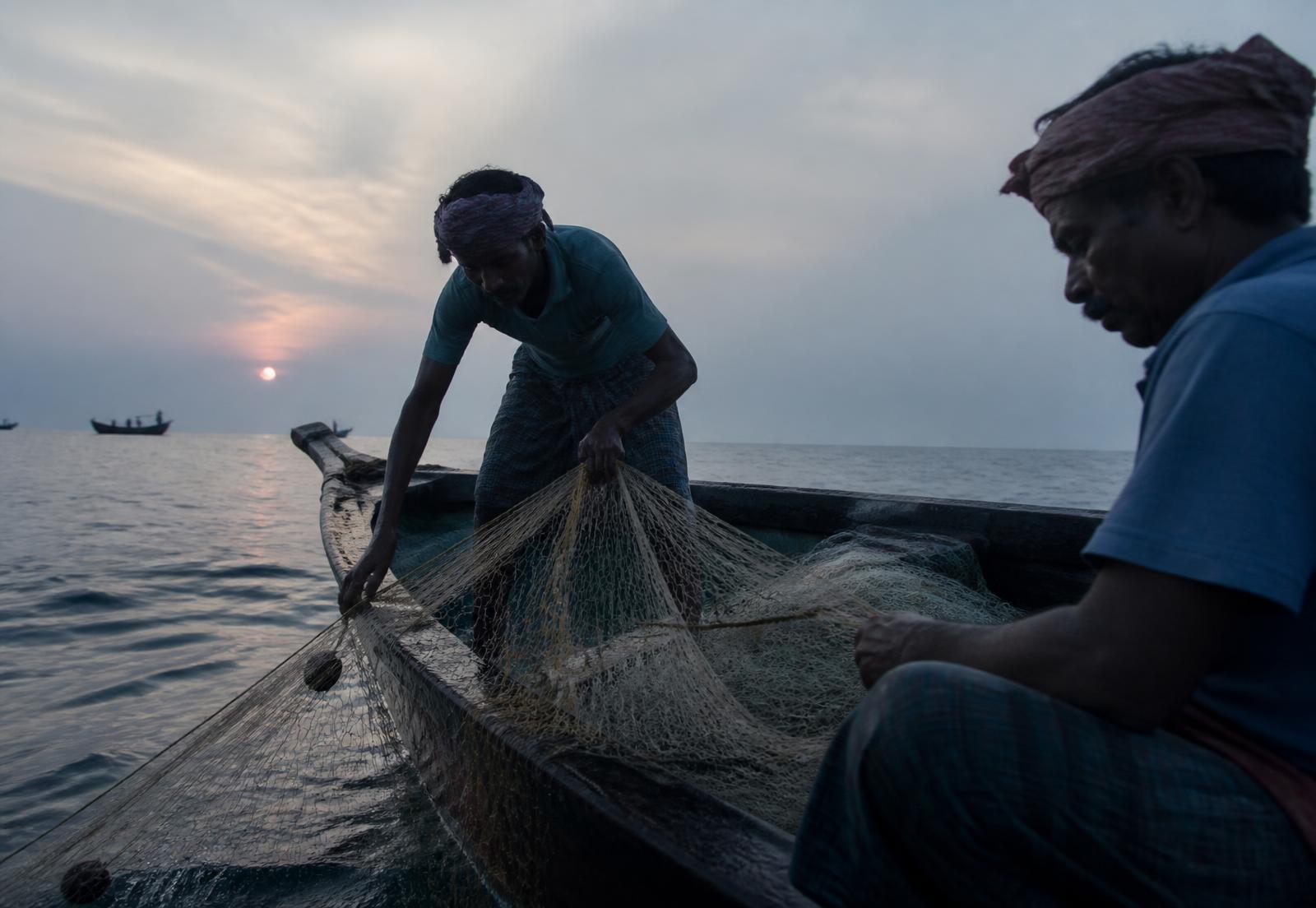 01
01Overfishing
High-value marine species face increasing pressure from overfishing, pushing fishermen further into distant high seas for an unreliable catch.
 02
02Unpredictable Farming
Conventional commercial cage culturing in India can involve significant operational and environmental uncertainty — high risk against modest yield.
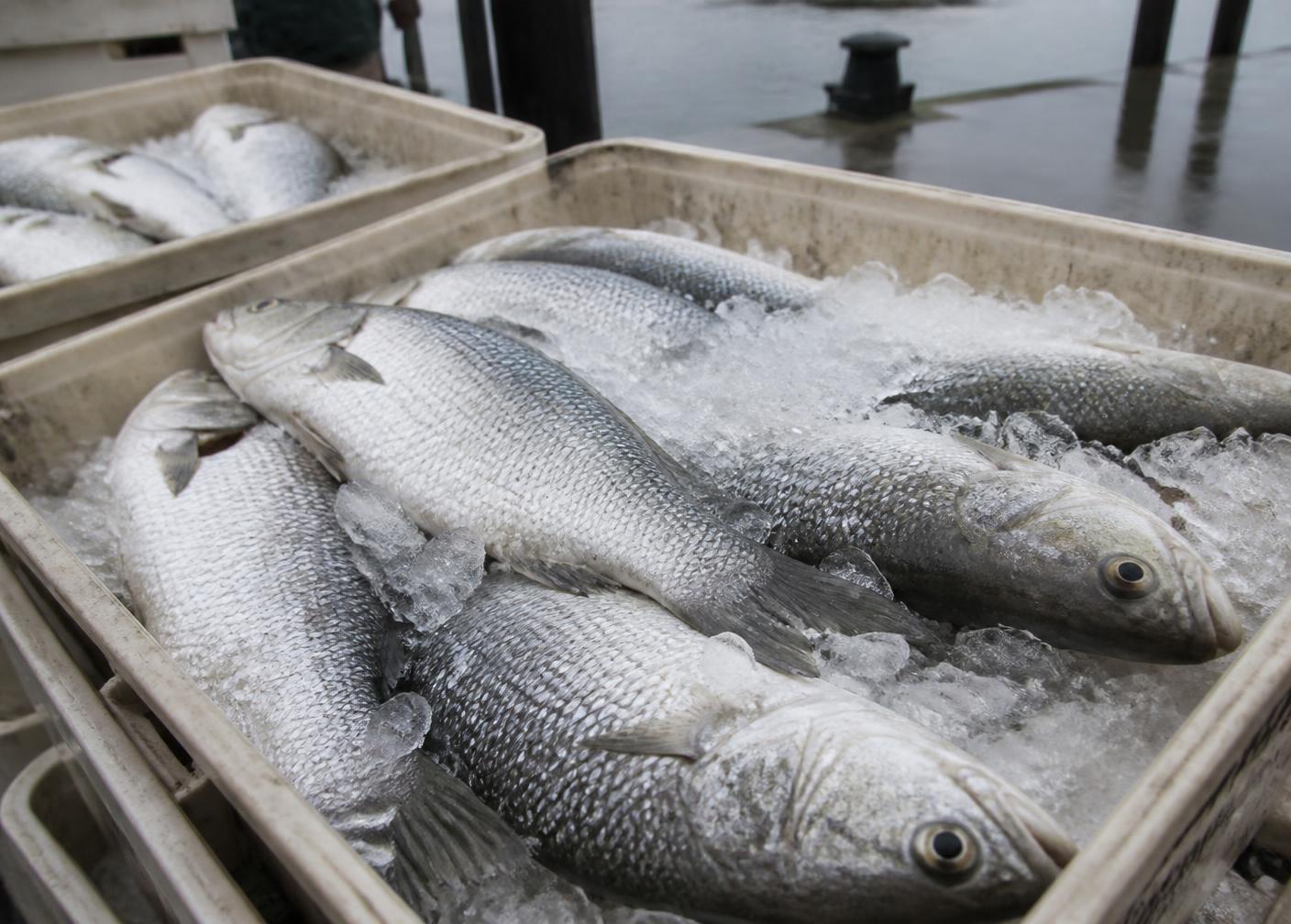 03
03Limited Visibility
Important environmental conditions can change beneath the surface without continuous visibility, leaving decisions to be made after the fact.
Source statement: CMFRI reports that 69% of India's marine fish stocks are under pressure from unsustainable exploitation. This is a published sector observation attributed to CMFRI, not a Marine Bio-Tech claim.
Partnership
The future of aquaculture is more intelligent.
Explore opportunities to collaborate with Marine Bio-Tech in building a more precise, sustainable and scalable marine aquaculture ecosystem.